
Building Resilience From the Soil Up
How a small grant helped a grassroots initiative for climate-smart farming in Sri Lanka

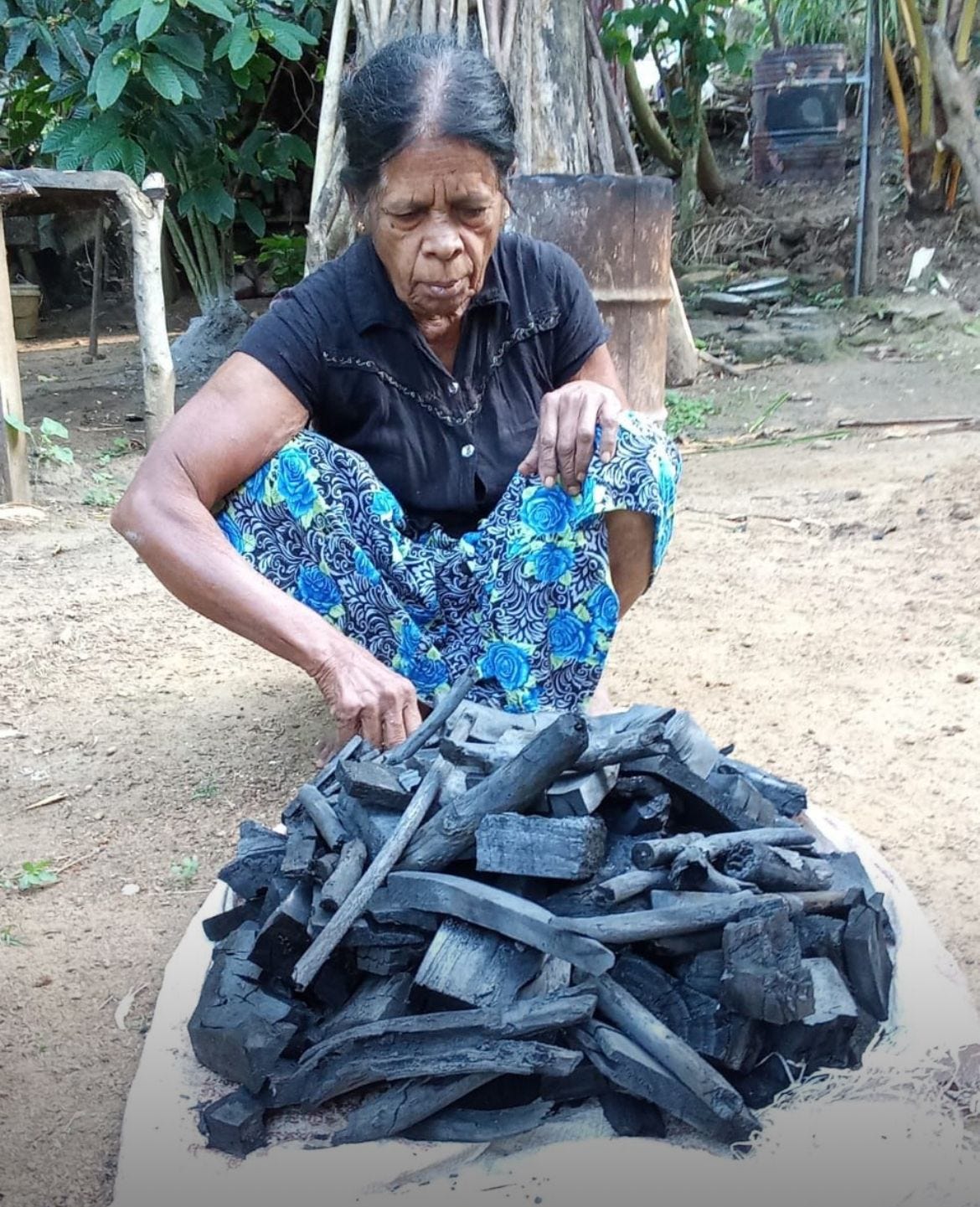
Across Sri Lanka’s farming communities, climate pressure has become an everyday reality. Drought stretches longer each year, soil fertility drops, and input costs continue to climb. Amid these challenges, one project has begun offering something that feels both hopeful and practical: a way to strengthen the land using the very materials that would otherwise be burned or discarded.
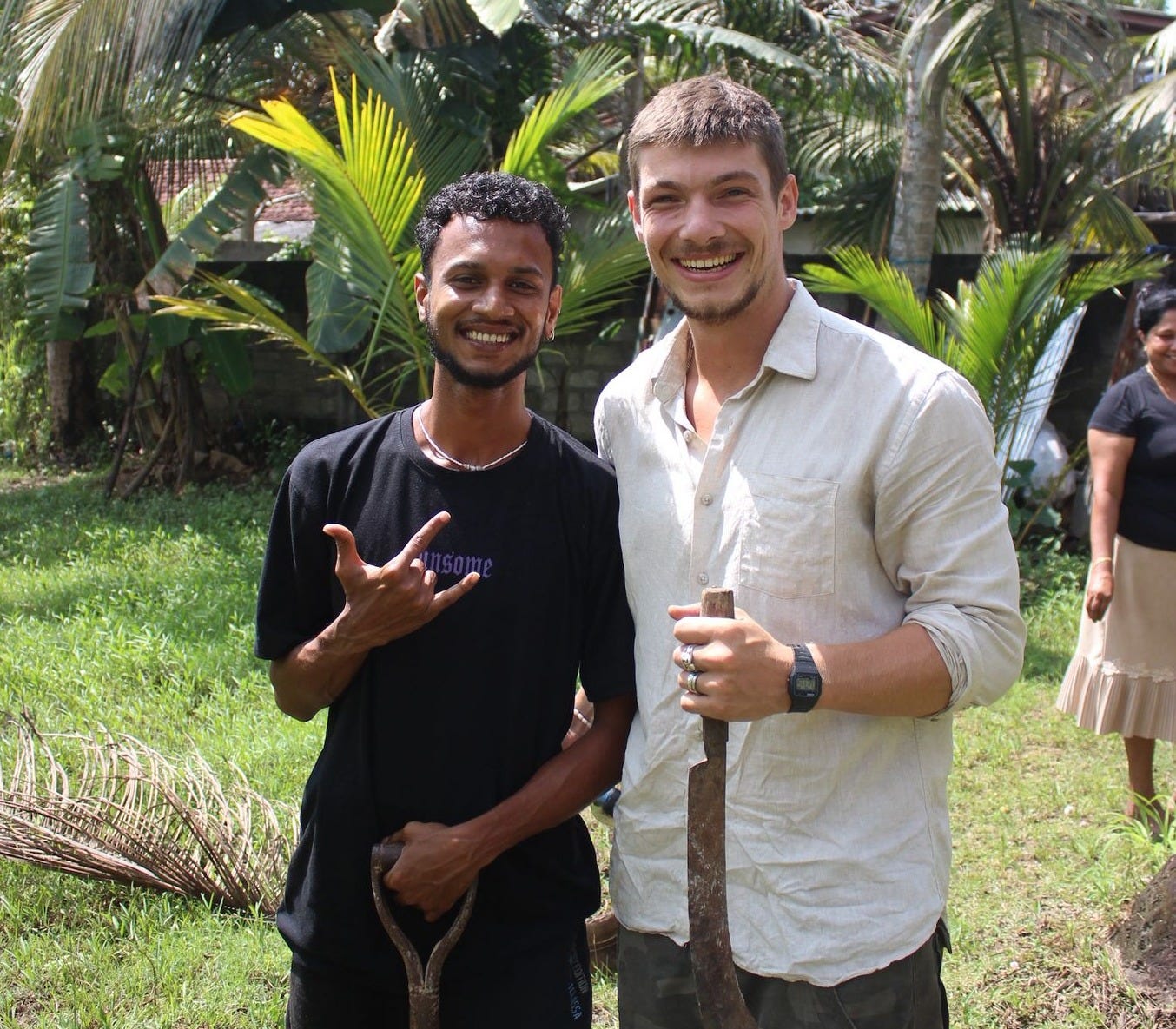
That project is Biochar for Agricultural Resilience in Sri Lanka, led by Jacob Webb, whose path into soil regeneration began years earlier with a family compost setup and later took him through graduate studies in ecological economics, sustainability consulting, and community work across the world. His mission crystallized during several months living and teaching in Sri Lanka. He saw firsthand how urgently farmers needed accessible soil solutions and how transformative biochar could be when communities understood how to make and use it.
A Grant That Shifted What Was Possible
With support from a grant from The Pollination Project, Jacob and his partners reshaped their entire approach to farmer training. They initially envisioned digital materials, but conversations with farmers revealed limited smartphone access. The grant gave them the flexibility to pivot, funding travel, educational equipment, and the creation of animated visuals that could be shown during in-person workshops, a shift that made the project far more effective than originally planned.
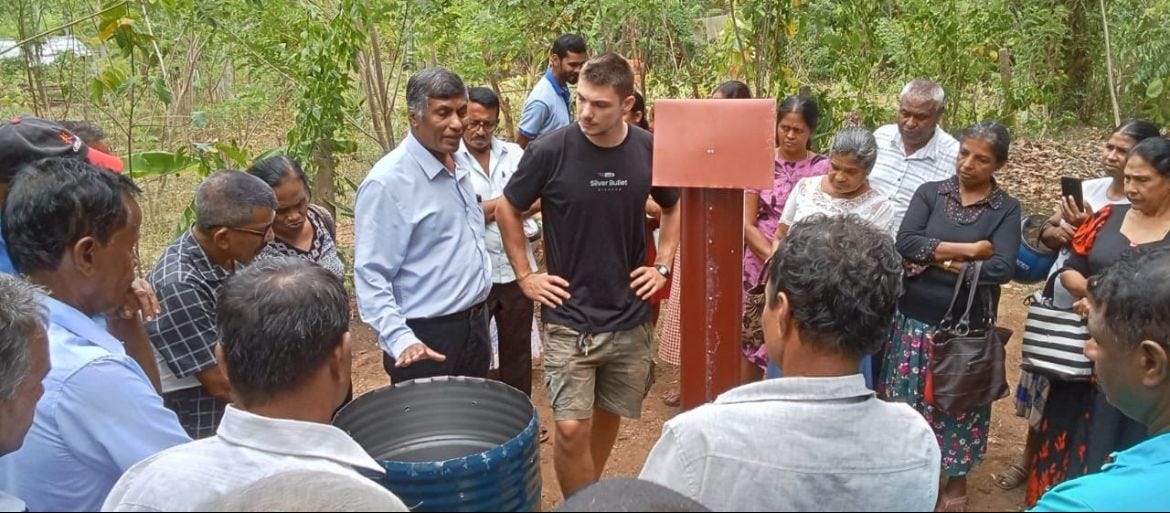
Over the course of the year, they delivered 19 workshops across rural regions, taught in Sinhala and Tamil, and supported by local groups including DevPro and the Lanka Organic Agriculture Movement. What happened next exceeded expectations: more than 1,630 farmer leaders took part, and many carried their learning into their own communities, reaching an estimated 5,000 additional farmers through informal networks and local group meetings.
Then came the most telling moment of all — the drought.
Farmers who applied biochar reported around 20% fewer crop losses compared with untreated plots during a season that devastated yields across many districts. They also reported reductions in fertiliser use and lower input costs, creating both environmental and economic benefits. As one participant told Jacob, “When we saw the difference in the soil during the drought, we knew this was something our whole community needed to learn.”
Where the Project Goes From Here
The success of the initial workshops has generated momentum far beyond the team’s early plans. Local councils have invited the project into school programs, asking for help building food gardens and introducing students to regenerative farming practices. Researchers at the University of Ruhuna have started collaborating on long-term studies of biochar’s agronomic and climate impacts. Even government departments — from Agriculture to Wildlife Conservation — are exploring how waste that is currently burned could instead be transformed into productive, carbon-rich soil amendments.
Jacob is also preparing a centralised production program to provide high-quality biochar free of charge to farmers trained through the workshops, paired with monitoring tools to track soil improvements, carbon sequestration, and reductions in open-burning smoke.
In his own words, “This is just the beginning. The goal is simple: help put biochar into every soil in Sri Lanka.”
Why This Story Matters
At its core, this project is not only about biochar. It’s about listening. Adapting. Building trust. And showing what happens when a small amount of funding meets a deeply grounded idea and a leader willing to walk village to village to share it.
The Pollination Project’s support didn’t just pay for equipment or travel — it fueled a shift in knowledge, confidence, and community ownership. It helped create conditions where farmers could protect their crops during climate stress, reduce costs, and spread regenerative practices through their own networks.
These are the kinds of quiet but powerful transformations that often go unseen. Yet they form the backbone of sustainable change.
If this story speaks to you — if you believe in community-led solutions, climate-smart agriculture, and the power of small grants to unlock real change — you can play a part in making more projects like this possible.
Every gift to The Pollination Project becomes a seed of transformation. A single grant helped Jacob reach more than a thousand farmer leaders, strengthen soil across drought-hit regions, and spark a movement now growing throughout Sri Lanka.
Imagine what the next grant could do.
You can be the missing piece that helps another visionary step forward, another community gain resilience, another idea come alive.
Donate today and help fuel more grassroots changemakers